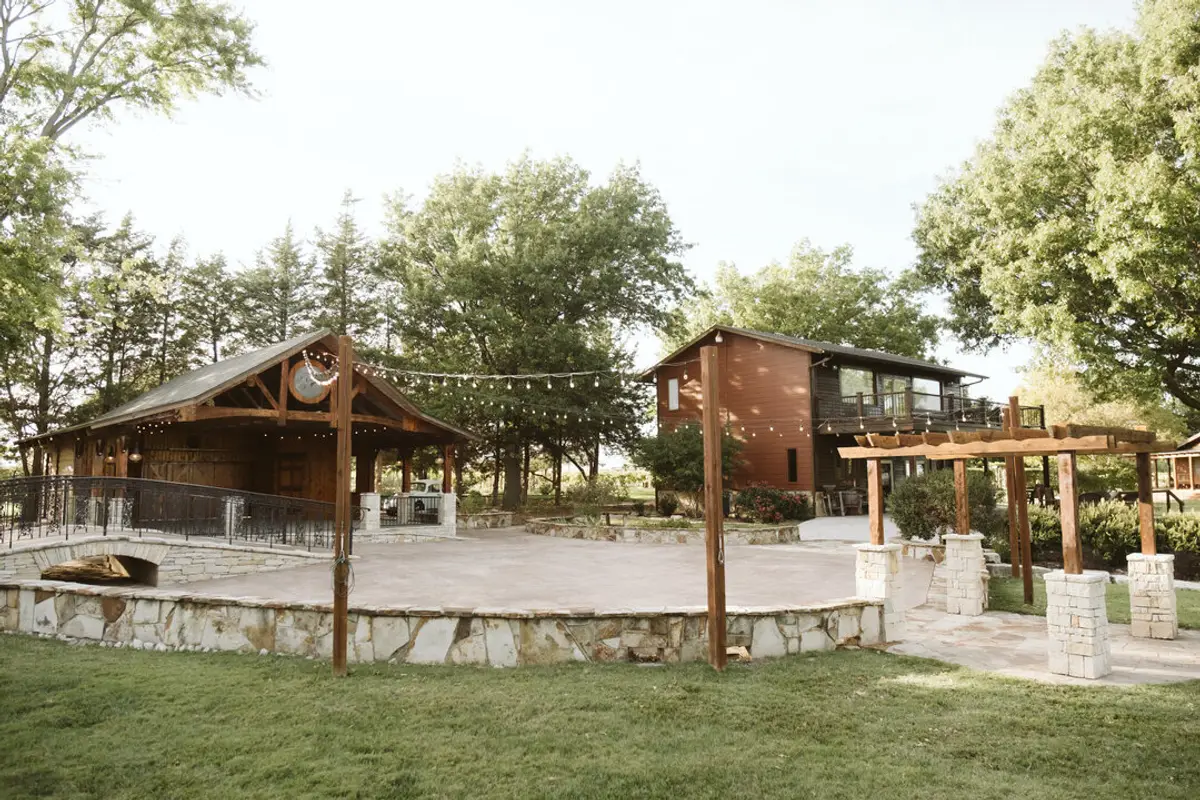
Planning a wedding in Kansas
The marriage license comes from a district court clerk, and Kansas imposes a three-day wait between filing the application and the license being issued — a district judge can shorten it only on a showing of emergency — so build a week into the schedule before the date. Once issued the license is good for six months and there is no residency test; ordained clergy and sitting, municipal or retired judges may officiate, and state law also lets two people marry by mutual declaration under the customs of their own religious society with no officiant at all. Weather runs the outdoor calendar: severe storms peak from April into June, wind is close to constant across the plains, and any tented reception needs real ballast plus a hard-walled backup room named in the contract.
- When to marry — May, September and October are the dependable months: the spring storm peak has passed, the July–August heat and humidity have not arrived or have broken, and the tallgrass turns copper across the Flint Hills in early fall.
- What it costs — Venue rental alone covers a wide band, and most Kansas properties quote privately rather than posting a rate card. The Vox Theatre is the clearest published figure on this list at $3,500 to $5,000 depending on season; barn venues price by day of week and by one-day versus two-day hire. None of it includes catering, bar or rentals.
Once the venue is settled, the next thing most couples deal with is telling everyone. A digital wedding invitation carries the address, a map, your timings and a live RSVP on one link — which matters more than usual when guests are travelling to Kansas and need directions, and plenty of notice.