Planning a wedding in Bielefeld
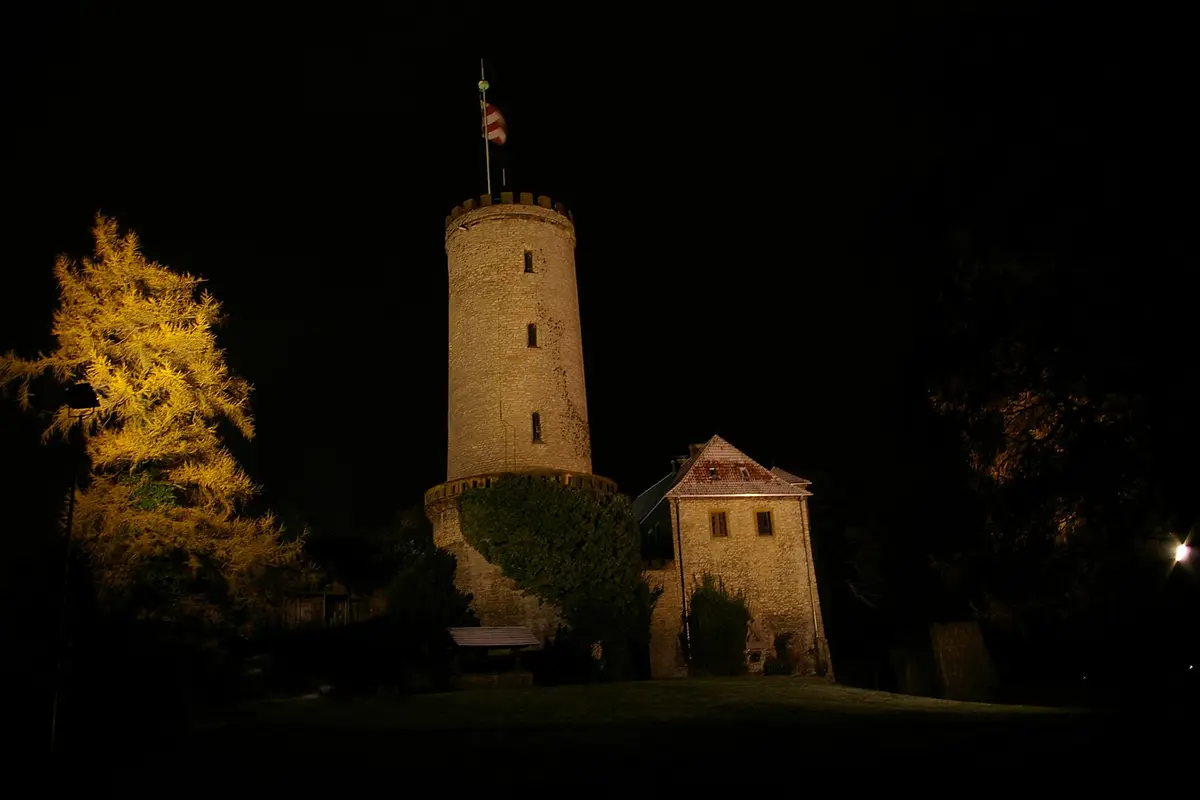
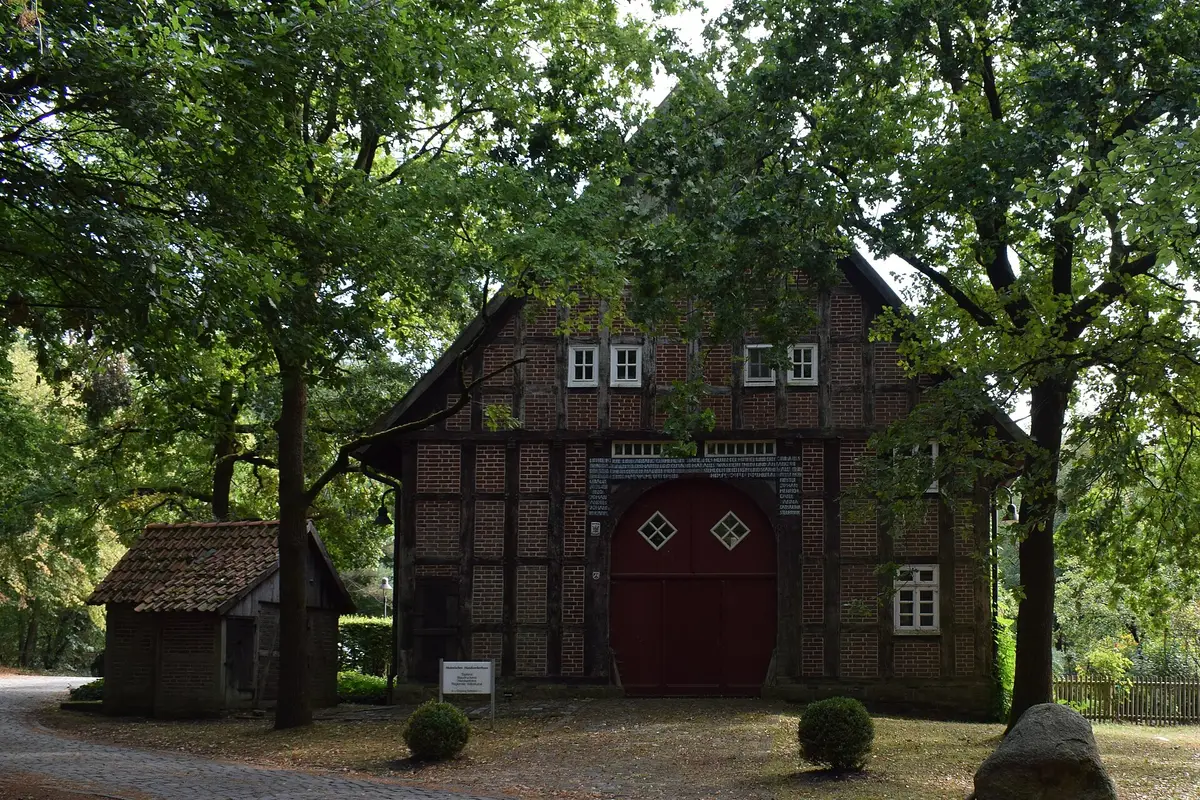
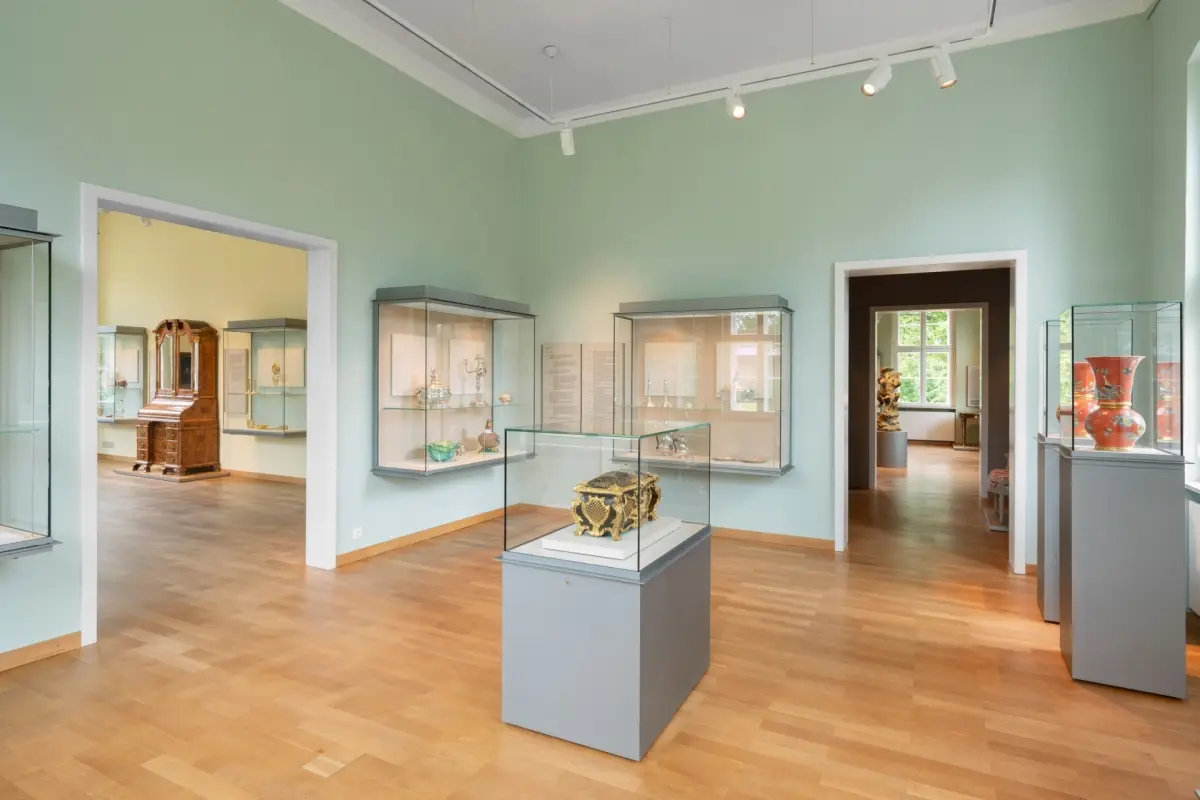
Only a registrar can create a marriage in Germany, and Bielefeld's licensed venues run on narrow rotas rather than on demand: the Sparrenburg takes Thursday and Friday mornings in half-hour slots, the Galerie in der Alten Vogtei has Fridays from 10am to noon, the Museumshof Senne and the Heimathaus Senne alternate odd and even Fridays between them, and the Bauernhausmuseum opens only on Monday afternoons from May to September. Each venue adds its own fee on top of the registry charges — €190 at the Alte Vogtei and the Museumshof, €220 at the Sparrenburg, €340 at the Bauernhausmuseum, €360 at the Lessinghaus, €420 at Museum Huelsmann, €520 at H1. Dates are held through traukalender.bielefeld.de up to a year ahead and anything inside three months has to be arranged with the Standesamt by phone; note too that the Sparrenburg ceremony room has no lift and is reached by stairs alone, which rules it out for some guests.
- When to marry — Late May to early September is the working season, partly because the Bauernhausmuseum only offers ceremony dates in those months and partly because the Sparrenburg courtyard, the Museumshof gardens and the Hechelei beer garden all depend on the weather holding.
- What it costs — Ceremony-room fees are the only Bielefeld wedding prices published in writing — €190 to €520 depending on the venue, plus the registry office's own registration charges — while receptions are quoted per head, with event listings for the city clustering around €50 to €150 a person for food and drink, an indicative band rather than a tariff.
Once the venue is settled, the next thing most couples deal with is telling everyone. A digital wedding invitation carries the address, a map, your timings and a live RSVP on one link — which matters more than usual when guests are travelling to Bielefeld and need directions, and plenty of notice.